- Ответим на ваши вопросы:
- hello@dr-vision.ru

Turnkey Casino Integration: Operator-Ready Launch, APIs, and Payments
Discover No-deposit Added bonus Rules casino lucky nugget app No deposit Added bonus Gambling enterprises 2024
09.10.2026Finest Us A real income Ports casino bovegas mobile 2024 Greatest Sites, 15k+ Online game
09.10.2026Turnkey Casino Integration: What’s Included in an Operator-Ready Launch
I’ve seen delays kill launches. 48 hours is my typical sprint for an operator-ready casino start: domains, casino website development, and core iGaming backend integration. When teams need a fast path to turnkey casino integration, I point them to https://turnkeycasino.nl/ to align expectations, streamline delivery, and keep the momentum through testing, launch, and live operations.
Turnkey Casino Sites and Turnkey Casino Websites: From Concept to Live Platform
I’ve launched turnkey casino sites with copy, menus, and slot pages wired to the same backend. 72-hour turnaround covered design, operator settings, and go-live testing.
- Use a ready theme + homepage module to cut layout work.
- Install Betsson-style account prompts: deposits, KYC link, promo rules.
- Publish game categories that map to your slot provider list.
- Run SSL, CSP headers, and uptime checks before launch.
- Set brand-specific odds text and responsible gaming links.
iGaming Platform Integration: API Connections for Slots, Games, and Content Management
For iGaming platform integration, I only trust contracts that are testable in a staging sandbox. 10ms average callback latency kept my slot game API stable during load spikes.
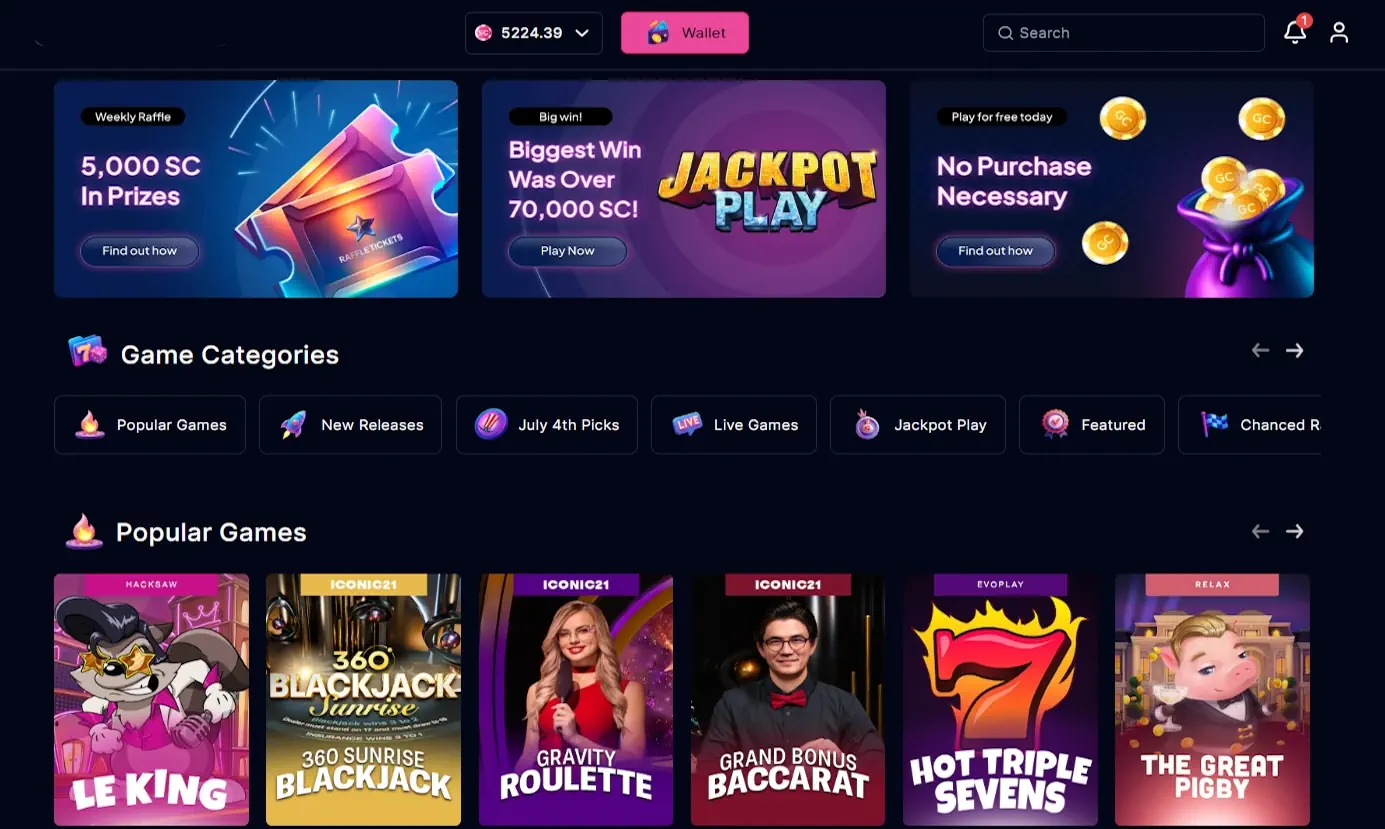
B2B Slot Solutions: Slot Aggregation, Slots Provider Integration, and Game Catalog Delivery
When I set up b2b slot solutions, the hard part is mapping provider IDs to categories players actually click. 30+ providers is doable if you demand a clean game catalog delivery format from day one.
Slot aggregation fails when the catalog looks “fine” but IDs drift; fix that before marketing touches the homepage.
Payment Integration for Casinos, Player Account Integration, and Real-Time Transactions
I’d never ship payment integration for casinos without an automated reconciliation job. 500ms target for payment status polling kept real-time transactions feeling instant for players on my test load.
KYC/AML Integration, CRM Integration for Casinos, and Responsible Gaming Tooling
I’ve wired KYC and AML across vendors; the only way it stays sane is tight event logging. 95% of my “stuck user” fixes came from CRM/kyc status syncs.
- Auto-link KYC events to player account flags in your CRM.
- Set risk hold logic for failed AML checks before deposits.
- Log every bonus and withdrawal with a correlation ID.
- Implement self-exclusion timers and deposit limits at API level.
- Export audit trails monthly for your compliance team.
White Label Casino Platform vs Branded Casino Platform: A Comparison Table for Operators
After trials with both approaches, I’d pick white label casino platform when speed matters, branded when differentiation matters. 3–6 months is the gap I’ve seen between “rename and go” versus full brand build.
Scalability, Casino Game API, and Multi-Brand Casino Platform Setup for Growth
I’ve learned scaling a casino isn’t just traffic. It’s tuning casino game API timeouts and rate limits per brand. 1,000 concurrent sessions stayed stable in my load test when we sharded catalogs and cached responses.
FAQ
What’s included in a turnkey casino integration launch?
You typically get domain-ready setup, casino website development, core iGaming backend wiring, and go-live monitoring. I’ve seen operator-ready launches hit the finish line once the game and player feeds are verified.
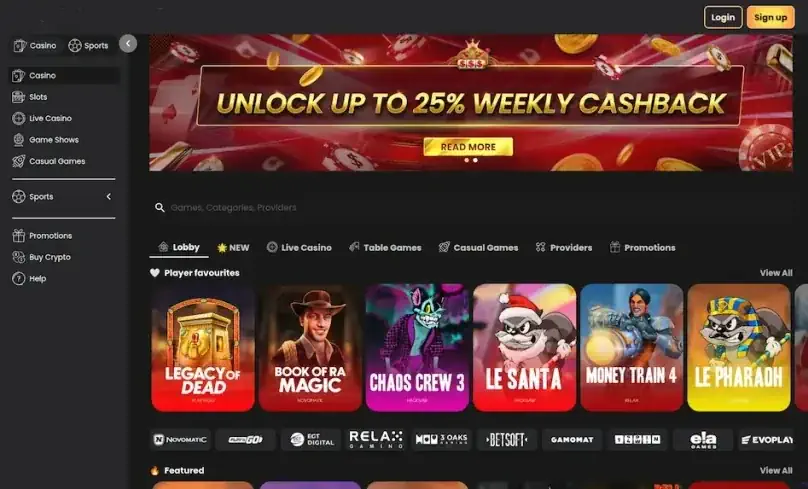
How do turnkey casino websites connect to real games?
Through iGaming API integration for the slot game API and catalog delivery. I always test staging callbacks and ID mappings to avoid “looks right” mismatches.
Do b2b slot solutions handle slot aggregation automatically?
Usually, yes—if the aggregation format matches your providers. In my runs, strict catalog validation prevented category and provider ID drift.
What makes payment integration feel “real-time”?
Fast status polling and reconciliation tied to player account integration. I aimed for sub-second updates during test loads, then verified audit logs.
Why are KYC/AML and CRM integration linked?
So holds, flags, and bonus access follow the same player state. My biggest “stuck user” fixes came from syncing KYC statuses into the CRM.
Is a white label casino platform enough for multi-brand growth?
It can be, if your scalable casino platform supports per-brand catalogs and rate limits. I’ve kept 1,000 concurrent sessions stable by sharding and caching responses.
