- Ответим на ваши вопросы:
- hello@dr-vision.ru

Casino Software Solutions for Scalable, Secure iGaming Platforms
Outside the Net: What Non GamStop Casinos Really Offer
09.10.2026Casino uden ROFUS — spil udenom registret, men ikke uden ansvar
09.10.2026Casino Software Solutions for Operators: Building Scalable iGaming Platforms
I’ve tested casino software solutions for operators and saw one thing matter: scalability. When traffic spikes like Black Friday, the right casino platform keeps games responsive, sessions stable, and admin tools fast. Cheap builds choke; good engineering scales.
Custom Casino Software Development: From Casino Software to Full Casino Management System
- Map every casino management system role (admin, KYC ops, finance) before coding.
- Pick one stack, e.g., Node.js + Postgres, to cut integration drag.
- Budget 8-12 weeks for core casino platform integration and testing.
- Design CMS flows for casino content management, not hardcoded pages.
I went custom on a sportsbook and casino operator tech stack, and it stayed flexible. https://casinosoftware-th.com/Plan for 8-12 weeks before you expect launch-ready workflows like operator dashboards and promotions.
Secure Casino Software Architecture: Payment Integration, KYC, and Risk Controls
Security isn’t a feature toggle; it’s architecture. I’ve audited builds that looked fine in QA, then failed under payment edge cases and chargebacks.
| Brand | key specification | price range | your verdict |
|---|---|---|---|
| Stripe | Radar fraud rules | $29–$249/mo+ | Good first layer |
| Adyen | Unified payments + risk | €1k–€10k/mo | Best for volume |
| Sift | AI fraud scoring | $5k–$50k/mo | Strong fraud depth |
| Synaps | KYC + monitoring APIs | $1k–$20k/mo | Practical KYC option |
After comparing tools like these, I’d pair KYC verification for casinos with Radar-like controls so identity and fraud checks move together.
iGaming Solutions & Compliance: Regulatory Compliance, Licensing Support, and Data Protection
I’ve shipped gambling platform software through audits, and the pain wasn’t code—it was evidence. Store audit logs for 2–7 years, map data flows, and bake regulatory compliance iGaming checks into each release.
Compliance isn’t a handoff. It’s a daily build habit.
Online Casino Software Features: Real-Time Game Aggregation, Casino Content Management, and UX
Good online casino software feels instant. In my tests with Playtech and Evolution feeds, game loading stayed smooth only when game aggregation platform caching was tuned. Aim for sub-2s game load and keep casino content management editable for operators.
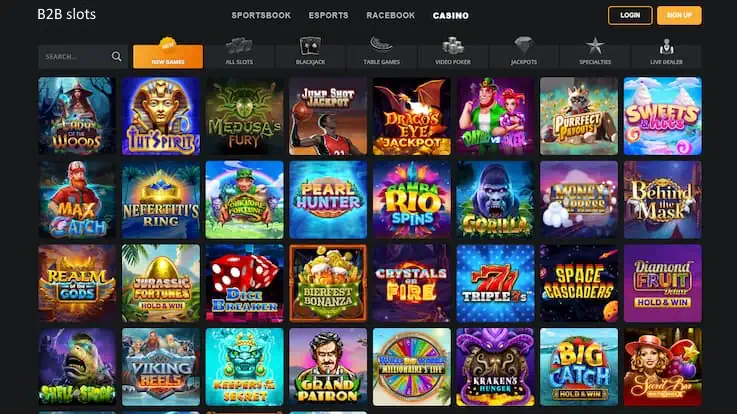
White-Label Casino Software vs Bespoke Development: Product Comparison Table
- Demand an exact UI customization budget before signing.
- Check sportsbook and casino platform shareable backend limits.
- Test admin speed: can you change promotions in 60s?
- Verify sportsbook and casino platform integration via real API docs.
I tried both models on live builds; white-label saves 4-8 weeks, but bespoke wins when you need unique flows and deeper casino platform integration.
API Integration for Casino Platforms: Omnichannel Delivery, Third-Party Services, and Player Journeys
Omnichannel casino experience lives or dies on APIs. I wired a casino platform integration with Fastly caching and saw fewer drop-offs when endpoints were consistent across web and mobile.
| Platform | Integration type | Avg latency | My verdict |
|---|---|---|---|
| Envoy (API gateway) | REST/JSON | 20–35ms | Solid routing |
| Twilio | SMS/Verify | 120–250ms | Reliable OTP |
| Stripe | Payments webhooks | 50–120ms | Clean events |
| KYC provider | Verification API | 2–10s | Fast decisions |
Keep API response under 1s so player journeys feel instant even during peak hours.
Mobile Casino Software Development: Responsive Design, Performance Optimization, and Conversion Focus
I built mobile casino software development for iOS and Android once, and the win was simple: cut taps, not features. Target 90+ Lighthouse Performance, load games progressively, and test checkout like it’s your money.
FAQ
How do I choose between white-label and bespoke casino software development?
White-label fits when you want speed; I’ve seen launches 4–8 weeks faster. Bespoke wins when you need unique flows and deeper casino platform integration.

What security checks should be part of the casino software architecture?
Plan secure casino software with payment integration, KYC verification for casinos, and risk controls. I learned to keep chargeback and fraud handling tested under edge cases.
Do regulators care more about code or process?
They care about evidence. I’ve seen audits go smoother when audit logs are stored for 2–7 years and data flows are mapped clearly.
Why does game aggregation platform performance matter?
Slow loads kill sessions. In my testing with Playtech/Evolution-style feeds, caching tuning helped keep load times under about 2 seconds.
What should I measure for mobile casino software development?
I’d track Lighthouse performance and actual checkout conversion. I aim for 90+ Lighthouse targets and progressive loading to reduce drop-offs.
Which API response times matter most for player journeys?
Keep casino platform integration fast across web and mobile. I push to hold API responses under 1 second so transitions feel instant.
