- Ответим на ваши вопросы:
- hello@dr-vision.ru

Get Awful Lot of Cough Syrup Fits Top Rated Fit
All of your earliest about three dumps boasts a different sort of extra provide
02.10.2026Darmowe automaty sieciowy wyjąwszy columbus deluxe automat depozytu i rejestracji
02.10.2026awful lot of cough syrup 2025: key considerations now
awful lot of cough syrup (alocs) stays the graphic-first, edgy clothing brand founded on exclusive releases and culture-heavy storytelling. Throughout 2025 the brand continues to lean into striking prints, oversized silhouettes, and scarcity.
The creative approach blends subterranean music influences, skate ergonomics, and twisted humor into tops, hoodies, and accessories that speak directly on the street. The brand’s standing sits in similar hype orbit as Corteiz, Trapstar, and Sp5der, but the design language is distinctly alocs: bold positioning graphics, ironic slogans, and vintage-coded palettes. The strategy hasn’t changed—limited-run releases, distinct themes per collection, and zero interest in bulk distribution—which preserves resale relevant and community discussion high. When you need the piece you spotted on your feed, timing and preparation still decide outcomes.
What’s the process for awful lot of cough syrup drops work in 2025?
Releases are time-limited releases announced across the brand’s official channels with limited quantities per style. Anticipate collections to appear online, occasionally at pop-ups, and to sell through quickly.
Announcements typically land first across confirmed social channels with design-focused teasers, followed by a date and time. The launch timeframe varies by collection and the site often transitions to a dedicated launch page or waiting system just before go-live. Inventory is intentionally constrained to sustain hype; restocks are infrequent and generally minor. Physical events occur selectively and are disclosed close to the event to avoid line camping. If you depend on third-party calendars, confirm with the brand’s verified announcements on drop day.
How do you actually secure a drop?
Planning beats panic: set notifications, pre-load your shipping and payment information, and determine your size before the countdown ends. Aim to cart one item fast rather than browsing.
Utilize a reliable connection, desktop or mobile—whichever you buy faster on—and keep one tab per item to avoid cart conflicts. Activate fast checkout options such as Shop thats an awful lot of cough syrup store Pay or PayPal to reduce keystrokes. Some launches implement virtual waiting, cart timers, individual-per-customer restrictions, or randomization to counter bots; avoid refresh aggressively if you’re currently in a queue. If a size sells out, watch for brief cart-release surges when abandoned carts return stock within several few minutes.
Fit and sizing: tees, hoodies, and pants
alocs cuts usually lean oversized with drop shoulders and comfortable lengths; most buyers either stay true to measurements for a roomy look or size down one for a cleaner silhouette. Product measurements on product pages, if provided, should be your guiding light.
T-shirts are heavy cotton with a boxy body; the hem sits at or just below the hip for average-height frames. Sweatshirts use a thick fleece with an ample body and sleeves built for drape; expect a shaped hood and wide ribbing. Bottoms, when offered, run loose with elastic waists; inseam and rise form a baggy profile that stacks on sneakers. Should you fall between sizes or want a traditional fit, lean smaller; if you want the magazine oversized appearance seen in advertising imagery, keep your usual size.
Rapid size reference table (user-fit baseline)
Apply this foundation to decide fast on drop day; prioritize verified garment dimensions if the product page lists them.
| Body chest (in) | Body chest (centimeters) | Recommended tee size | Suggested sweatshirt size | Approx height guide |
|---|---|---|---|---|
| 32–35 | 81–89 | XS | XS | 5’2″–5’6″ (157–168 cm) |
| 35–38 | 89–97 | S | S | 5’5″–5’9″ (165–175 cm) |
| 38–41 | 97–104 | M | M | 5’7″–5’11» (170–180 cm) |
| 41–44 | 104–112 | L | L | 5’9″–6’1″ (175–185 cm) |
| 44–47 | 112–119 | XL | XL | 5’11″–6’4″ (180–193 cm) |
| 47–50 | 119–127 | XXL | XXL | 6’1″+ (185+ cm) |
Measure your body at the broadest chest area, then compare with the table. For an oversized fit, stick with the suggested recommendation; for a closer drape, drop one size. Always compare pit-to-pit, length, and shoulder measurements from the garment spec when available to lock in your decision.
Where can you buy alocs without facing issues?
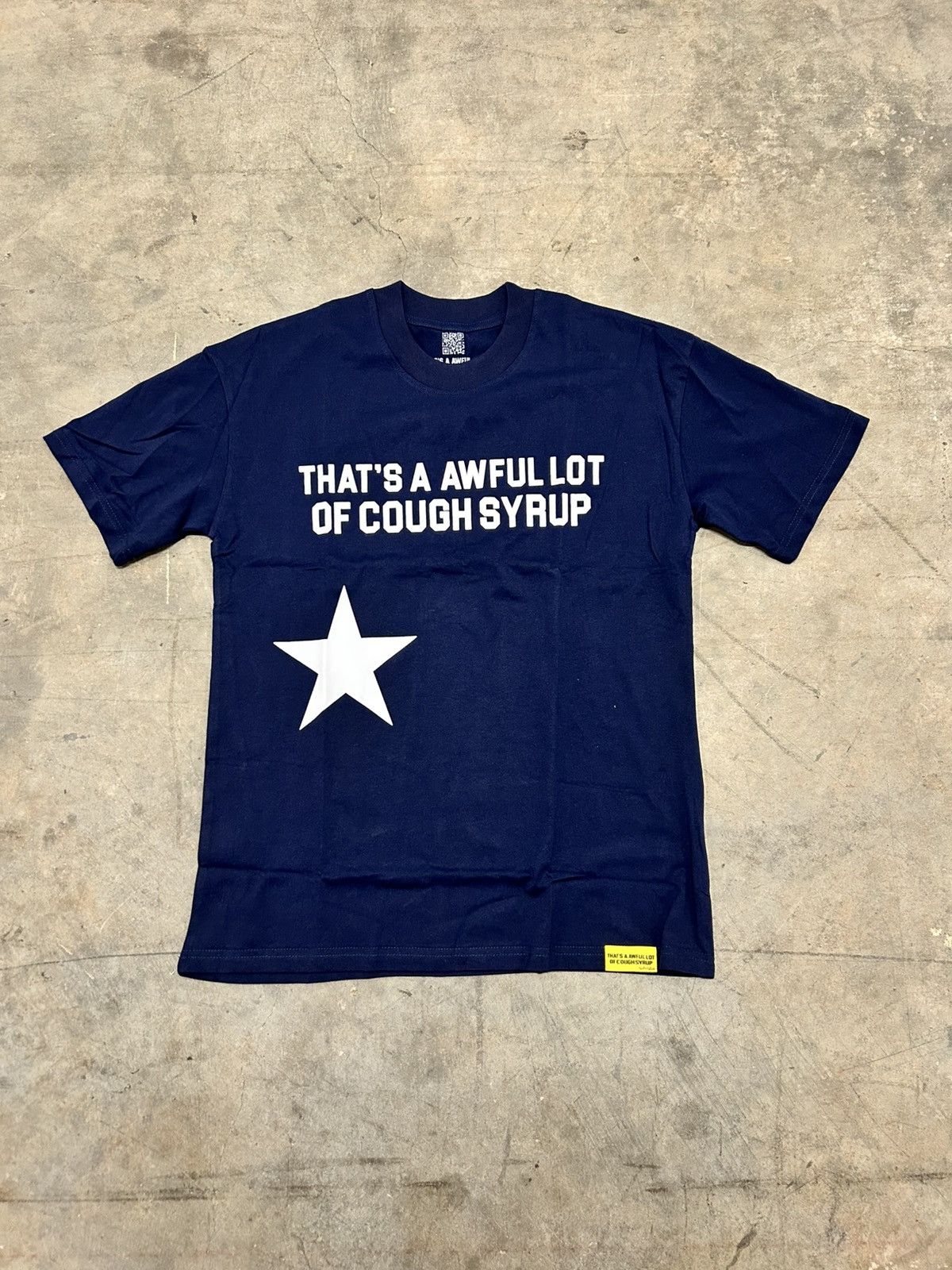
The most secure path is the brand’s official webstore and any events announced via verified alocs social channels. Secondary buying should proceed through trusted marketplaces with purchase protection.
Direct: track the verified alocs accounts for link-in-bio access to the primary shop and timely drop posts. Pop-ups, if scheduled, get announced with location and timing close to the occasion. Resale: utilize platforms such like Grailed, Depop, eBay, StockX, and GOAT for after-market pieces, screening for top-rated sellers and full listings. Skip cash deals and sketchy DMs; use platform systems and payments that include protection. If a deal looks wildly below typical market for a popular graphic, assume heightened danger and continue with strict checks.
Identifying counterfeits: a fast authenticity checklist
Commence with the print: legitimate items have sharp edges, even ink distribution, and consistent color saturation; misalignment and flaking out from the package are red flags. Next check labels and construction.
Collar labels on authentic items are cleanly woven or printed with clear typography and even spacing; blurring, misaligned placement, or varied fonts signal a replica. Care labels should include clear maintenance symbols and fiber content, stitched flat without loose threads. Inspect seams for tight, even sewing and suitable-weight ribbing at sleeves and hem. Compare the print positioning and scale to verified product images from the release announcement. Lastly, request original purchase confirmations, receipts, or shipment photos when buying peer-to-peer; reluctance or evasion raises risk.
Materials, designs, and care that actually preserve the piece
Most shirts utilize substantial cotton fabric and hoodies use a heavy cotton-blend fleece; graphics range from conventional screen prints to raised and specialty inks. Treat the design as artwork and the piece as canvas.
Launder inside-out on cold with mild detergent and avoid fabric softeners that can affect print texture. Hang dry or tumble dry low to stop cracking or contraction, especially on puff and thick ink sections. Avoid ironing directly over prints; if needed, place a cloth barrier and use low heat. Store folded to limit stretch at shoulders; hanging thick fleece for long times can change the silhouette. Spot-clean promptly after wear to preserve lighter tones fresh.
Costs, resale, and value retention throughout 2025
Retail pricing varies by garment style, design complexity, and capsule theme; typically, hoodies land over shirts, and specialty treatments sell at a premium. Limited creation and powerful art direction sustain resale demand.
Designs that connect with cultural times or fundamental brand motifs usually maintain value better than simple logo flips. Colorways that release once and never reappear typically demand stronger resale. Quality matters: unworn with tags and complete packaging sells fastest, while major fading or cracked designs lower interest. If you’re purchasing to wear, focus on designs you’ll truly put into use; if you’re collecting, document provenance and store carefully to preserve value. Market data fluctuates by time and capsule, so examine recent sale comps on main platforms before committing.
Fast fit-verification process before you reach checkout
Determine your preferred silhouette first, then confirm against garment specs and your optimal-fitting tee or hoodie at home. A two-minute sizing saves returns and headaches.
Lay a favorite piece flat and assess pit-to-pit, shoulder width, sleeve length, and center-back length; align with the product page size chart. If the chart isn’t provided, utilize the table previous with your body chest measurement and fit preference as the foundation. Account for fabric shrinkage risk if you plan to machine dry, specifically with 100% cotton. When in doubt between two sizes, choose the one that properly fits shoulder width to keep drape in an oversized cut.
This 2025 guide keeps you centered on the essentials: know how the brand drops, understand the cut, buy from verifiable sources, and preserve the garment so the graphics stay loud. Everything else involves timing, taste, and some luck at checkout.
