- Ответим на ваши вопросы:
- hello@dr-vision.ru

Why Buying Ammunition by the Case Actually Saves You Money
Kachingo Casino: No Frills, Just Slots, Live Games, and a Decent Bonus
25.08.2026Golden Genie Casino: Luck, Magic, and a Few Fine-Print Spells
25.08.2026Buy Bulk Ammo Online Without Breaking the Bank
Bulk ammo is simply a large quantity of factory-new or remanufactured cartridges purchased in one box or case, typically to lower the cost per round without sacrificing reliability. For shooters who value both practice and preparedness, buying in bulk https://specialtysportsandsupplyltd.com/ turns a single purchase into a dependable reserve—so you can spend more time at the range and less time worrying about running dry. Consistent function is the true reward, as rounds stored in sealed, dry containers maintain their primer and powder integrity for years, ready when you are. By choosing bulk ammo that matches your firearm’s caliber and grain weight, you can build a steady supply that makes every session smooth, predictable, and stress-free.
Why Buying Ammunition by the Case Actually Saves You Money
Buying ammunition by the case reduces the per-round cost because manufacturers and retailers price bulk ammo with lower per-unit margins, passing the volume savings directly to you. Shipping fees, which often represent a fixed charge, are spread across hundreds of rounds rather than a single box, significantly lowering the delivered price for bulk ammo purchases. A case also eliminates the “convenience tax” of frequent small-box trips, where you pay a premium for packaging and handling each time. Furthermore, consistent lot numbers from a single case ensure uniform performance, preventing wasted rounds from point-of-impact shifts—waste that costs money. Finally, buying a full case upfront protects 6.5x57mm Mauser Ammo for Sale you from mid-year price increases, locking in a lower cost per round for your entire shooting session.
Breaking Down the Per-Round Cost Difference Between Boxes and Bulk Lots
The core of per-round cost savings in bulk ammo comes from cutting packaging and handling overhead. A 20-round box typically carries a fixed retail markup of $2–$4, regardless of caliber, which inflates the unit price. Buying a 500-round bulk lot .32 Win Special Ammo for Sale spreads that identical packaging cost across far more cartridges, instantly dropping the price per bullet by 8–15%. For example, a $18 box of 9mm equates to $0.90 per round, while a $350 case of 500 rounds brings that down to $0.70—a $0.20 difference that compounds with every magazine. Shipping also favors bulk: one flat fee on a large case beats per-box shipping charges, adding another $0.03–$0.05 per round in savings.
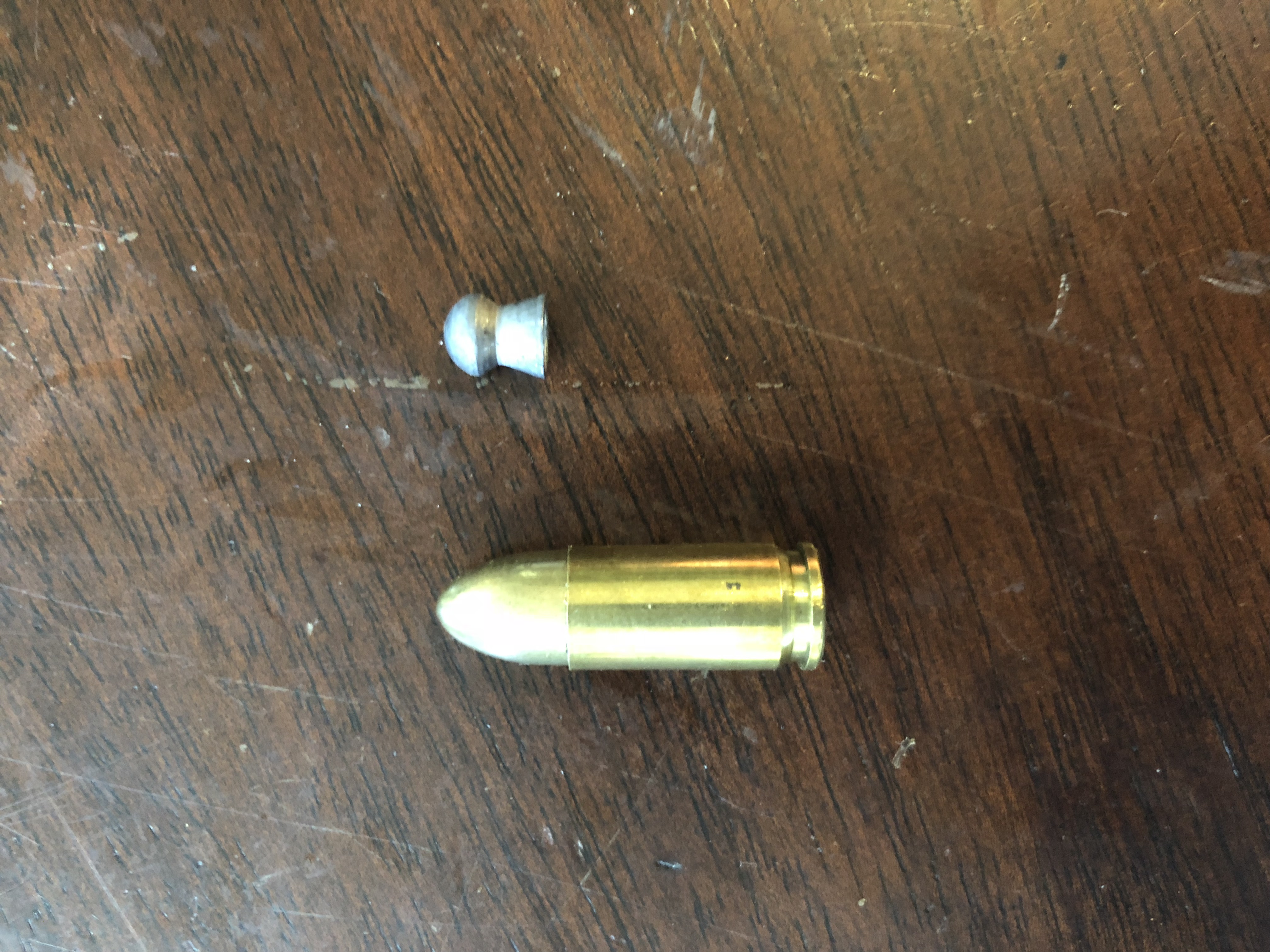
Q: How do I calculate the true per-round difference between boxes and bulk lots?
A: Divide the total price—including tax and shipping—by the round count for both options. Subtract the bulk lot’s per-round figure from the boxed figure; the remainder is your direct savings. If bulk costs $0.72/round and boxes cost $0.91/round, you save $0.19 each shot, which justifies the larger upfront outlay.
How Free Shipping and Volume Discounts Factor Into Your Final Price
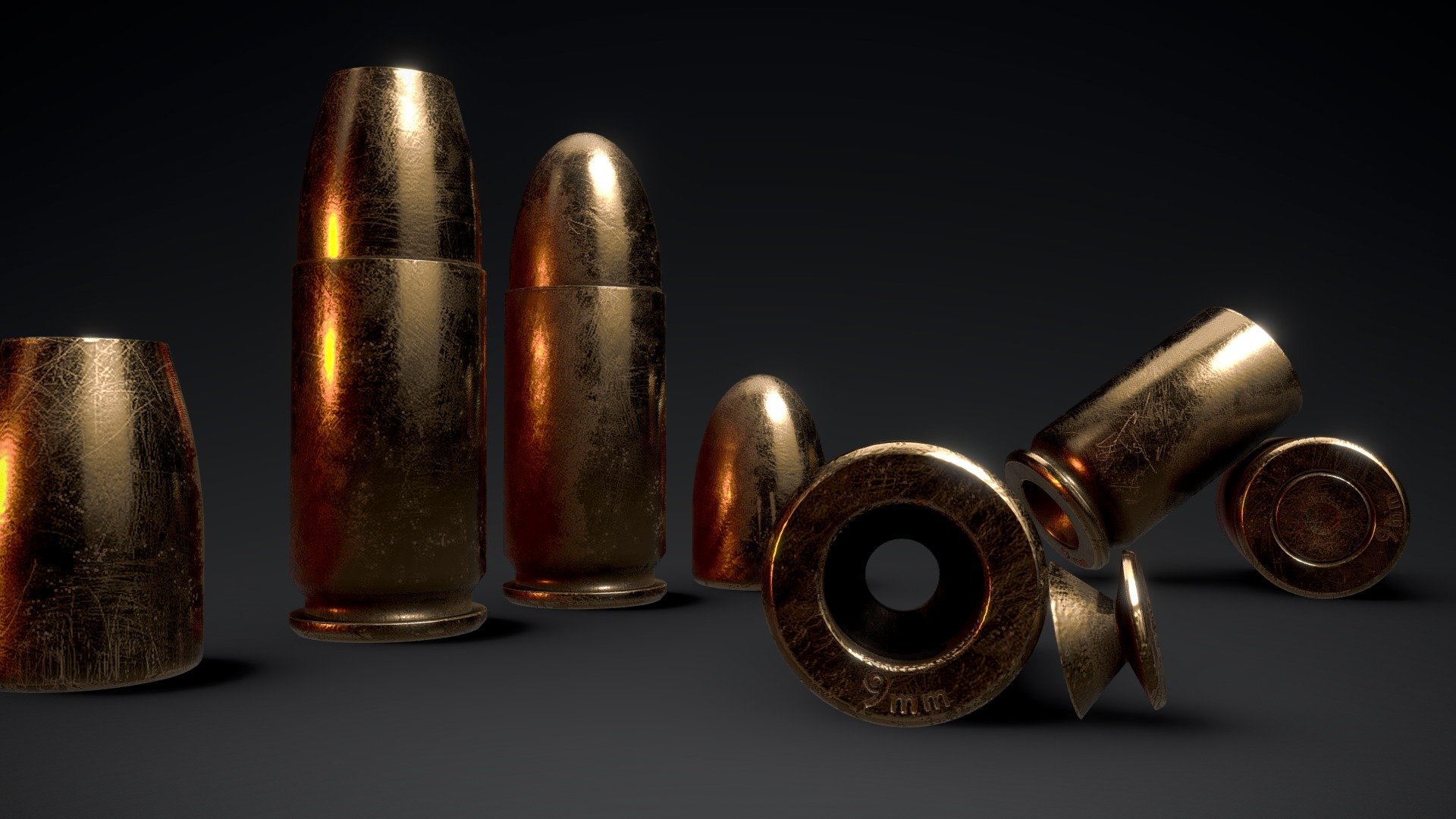
When calculating bulk ammo savings, free shipping and volume discounts directly lower your per-round cost, but only if you compare total checkout values. A case may show a 10% volume discount, yet heavy ammunition shipping fees can erase that gain. First, verify the retailer’s free shipping threshold—often tied to a minimum case weight or dollar amount. Second, apply the volume discount tiers: buying 500 rounds typically triggers a 5% price cut, while 1,000 rounds may drop costs by 12%. Third, divide the final delivered price by total rounds. This final figure reveals whether the case price, combined with waived freight, truly beats smaller boxes after accounting for per-unit handling fees.
What to Check Before You Stock Up on a Large Quantity of Rounds
Before committing to a bulk ammo purchase, verify the lot’s headstamp and manufacturing date to avoid age-related primer degradation or corrosion. Check the packaging for any signs of moisture intrusion, as even sealed cans can harbor humidity that compromises powder burn rates. Confirm your firearm’s chambering matches the cartridge dimensions exactly—a batch of “.223” may be 5.56 NATO, and firing it in a rifle rated for only one can cause pressure spikes. Inspect the bullet seating depth and crimp on a few random rounds; inconsistent OAL often leads to feed failures or accuracy drops. Test a small sample from the same lot in your actual gun before buying the whole case. Store the bulk supply in a cool, dry, airtight container with desiccant packs—not in a garage or basement. If the seller refuses to disclose the lot number or manufacture year, walk away. The cheapest price per round means nothing if the primers are hard or the brass splits after one firing.
Headstamp, Lot Number, and Manufacturing Date: Why They Matter for Consistency
Before committing to a large bulk ammo purchase, verifying the headstamp, lot number, and manufacturing date ensures your rounds perform identically from the first box to the last. The headstamp confirms the exact factory and cartridge specification, so you avoid mixing brass from different sources, which can alter case capacity and pressure. The lot number ties every round to a single production run—if one box shows a different lot, expect slight variations in powder charge or bullet seating that shift your point of impact. The manufacturing date reveals how long propellant and primers have aged; older stock may exhibit degraded ignition consistency, especially if stored poorly. Matching these three identifiers across all cases guarantees uniform velocity and reliable cycling. Always request the same lot number for every case in your order, and verify the date is recent enough for stable performance.
- Same lot number Ammunition for Sale means identical powder burn and bullet tension across all rounds.
- Headstamp mismatch can cause feeding issues in finicky firearms.
- Newer manufacturing dates reduce risk of deteriorated primers or powder.
How to Verify That Your Firearm Will Cycle a Specific Bulk Load Reliably
Before committing to a case of bulk ammo, verify that your specific firearm cycles that exact load reliably. Begin by purchasing a small sample box and running at least 100 rounds through your unmodified gun, using the same magazines and lubrication you normally carry. Monitor for failures to feed, extract, or lock back on an empty magazine; note whether the slide locks open consistently on the final round. Test both slow aimed fire and rapid strings, since some loads stumble under cyclic stress. If your pistol is tuned or has a light recoil spring, test the bulk load on a cold, dry day—temperature shifts can alter slide velocity. Reliability verification with a representative sample lot is your .32 ACP Ammo for Sale only safeguard against buying thousands of unusable cartridges.
- Record the number of malfunctions per 100 rounds and compare against your self-defense or practice threshold.
- Shoot from a supported bench rest to isolate gun-induced issues from shooter-induced limp-wristing.
- Check spent case rims for extractor gouges and primer strike depth to confirm headspace consistency across the lot.
- Test a second fresh box from a different manufacturing date to rule out a single-batch fluke.
Choosing Between Full Metal Jacket, Hollow Point, and Other Bulk Configurations
When buying bulk ammo, your choice between Full Metal Jacket and Hollow Point hinges on the intended use, not price per round. For high-volume practice or competition, FMJ is the pragmatic pick—its copper jacket prevents leading in the barrel and feeds reliably in semi-autos, even at rapid fire. Hollow Point loads, however, are built for terminal performance; if your bulk purchase is for defensive training, you want the same expanding projectile you carry, though it costs more per case. Don’t overlook soft point or bonded bullets for hunting in bulk—they offer controlled expansion in game without the over-penetration risk of FMJ. For plinking steel, avoid frangible hollow points; they shatter on impact and create airborne debris. Ultimately, match the projectile’s construction to the target’s resistance: FMJ for paper and steel, Hollow Point for tissue, and keep your bulk buy segregated by job.
Matching Bullet Profile to Your Purpose: Range Practice, Competition, or Defense

Your bullet profile must mirror your real-world goal, not just your caliber. For bulk ammo range practice, flat-based full metal jacket rounds offer reliable feeding and low cost, letting you burn through thousands of rounds without financial sting. Competition demands precision: a boat-tail FMJ or polymer-tipped round provides a flatter trajectory and tighter consistency at distance. Defense, however, flips the script—you need a hollow point that expands reliably, even though it costs more and may underperform in paper-punching accuracy. Buying a single bulk type for all three means compromising performance where stakes are highest. Evaluate your primary use first, then buy that profile in bulk; a simple way to hedge is splitting orders between two profiles.
| Purpose | Bullet Profile | Bulk Priority |
|---|---|---|
| Range Practice | FMJ flat-base | Lowest cost, max volume |
| Competition | Boat-tail FMJ or polymer-tip | Consistency and ballistic coefficient |
| Defense | Jacketed hollow point | Reliable expansion over cost |
Understanding Grain Weight and Velocity Variations in Large Orders

When ordering bulk ammunition, grain weight and velocity variations across a single lot directly impact point-of-impact consistency. Heavier projectiles, such as 147-grain 9mm, typically produce lower muzzle velocities but higher energy retention downrange, while lighter 115-grain loads generate flatter trajectories at the cost of felt recoil. In large orders, manufacturers may blend powder lots or adjust seating depth slightly, causing measurable velocity spreads of 30–50 fps between boxes. This variance becomes critical for precision shooting, as a 40 fps shift can alter bullet drop by nearly an inch at 100 yards. To mitigate this, always request the lot number and chronograph samples from the first, middle, and last boxes to map the actual velocity curve before zeroing your optic or committing to a .35 Remington Ammo for Sale competition load.
How to Properly Store a Large Ammunition Stockpile at Home
For bulk ammo, prioritize environmental control above all else, as massed ammunition generates and retains heat. Store your stockpile in a cool, consistently dry space, ideally below 70°F, using a dehumidifier to keep relative humidity under 40%. Avoid concrete floors—place pallets or rubber mats underneath plastic ammo cans to prevent moisture wicking. Use sealed, stackable .50-caliber cans or heavy-duty military surplus boxes, adding desiccant packs inside each container and labeling them with caliber, lot number, and purchase date. Rotate your bulk stockpile by pulling from the oldest boxes first, keeping a separate “shooting bin” for immediate use to avoid opening sealed containers. Never store loose bulk ammo in paper or cardboard boxes directly on shelves. Check seals annually, breaking the airtight barrier only to inspect for corrosion or primer discoloration. Weight distribution matters critically—stack cans low and stable to prevent crushing bottom layers, which can distort casings. Primers in bulk storage are more sensitive to temperature swings than the powder charges, so avoid attics or garages where daily thermal shifts occur. Keep your entire reserve away from any water pipes or sump pumps, as a single leak can ruin thousands of rounds in hours.
Controlling Humidity and Temperature to Prevent Corrosion and Misfires
Controlling humidity and temperature is the frontline defense .338 Lapua Ammo for Sale against corrosion and misfires in bulk ammo. Keep your storage area below 70°F, as excessive heat accelerates propellant degradation and primer instability. Maintain relative humidity between 30% and 50%; above this, moisture condenses on brass cases and primers, promoting oxidative corrosion that can seize rounds in the chamber or degrade ignition. Use a desiccant-based humidity control system inside sealed ammo cans, paired with a hygrometer for monitoring. Thermal cycling from garages or attics is more damaging than a steady, slightly warm environment, because condensation forms as air cools. Follow this sequence:
- Seal ammo in airtight metal or polymer cans with rubber gaskets.
- Add reusable silica gel desiccants, replacing them when they change color.
- Place a digital hygrometer inside each can to verify stability.
- Store cans off concrete floors on wooden pallets to avoid wicking moisture.
Avoid basements without dehumidifiers; if you use one, drain it regularly.
Using Ammo Cans, Desiccants, and Rotation Schedules to Keep Your Supply Fresh
For bulk ammo, the core of preservation is pairing airtight **ammo cans with active desiccants** while enforcing strict rotation schedules. The rubber gasket seals out humid air, but it cannot remove moisture already trapped inside, so silica gel packets must be replenished when their color indicator shifts, preventing oxidation on brass and primers. A rotation schedule ensures you physically pull the oldest cartridges to the front, using them for range practice first, which avoids degradation from prolonged compression inside stacked cans. However, desiccant effectiveness fades silently, so logging the date of each refresh prevents false confidence in sealed containers. Inspect cans quarterly for condensation and re-seal them promptly, because temperature swings create micro-condensation 6.5x57R Ammo for Sale that even quality cans cannot fully resist, making the rotation cadence your final safeguard against silent corrosion.
Common Mistakes First-Time Bulk Purchasers Make and How to Avoid Them
First-time bulk ammo buyers often overestimate their storage capability, purchasing thousands of rounds without a cool, dry, and secure space, leading to corrosion or theft. Another frequent error is ignoring caliber consistency across firearms, accidentally stockpiling the wrong grain weight for their primary weapon. To avoid waste, always verify the box’s lot number and headstamp against your specific barrel, and buy only what you can rotate within six months to prevent primer degradation. Mixing brands or reloads in bulk creates inconsistent point-of-impact, so stick to one confirmed lot. Finally, skipping a basic inventory log means you cannot track usage or spot damaged rounds.
Test a single box at the range before committing to a full case.
Store ammo in its original factory packaging, off concrete floors, and seal containers with desiccant packs to preserve reliability.
Ignoring Recoil Sensitivity or Gun Compatibility When Ordering Thousands of Rounds
Committing to thousands of rounds without first verifying gun compatibility and recoil sensitivity creates a costly, unusable stockpile. A firearm chambered for a specific cartridge will not safely accept similar-looking alternatives, and forcing mismatched ammunition risks malfunctions or catastrophic damage. Likewise, a high-recoil load in a lightweight platform causes shooter fatigue, flinching, and accuracy degradation, making practice counterproductive. Before bulk ordering, test a single box of the exact lot to confirm reliable feeding and acceptable felt recoil. Otherwise, you are financially locked into ammunition that either will not cycle or is physically punishing to shoot.
- Confirm the cartridge matches your barrel stamp and magazine dimensions.
- Test 50–100 rounds for ejection patterns and pressure signs before scaling up.
- Compare recoil impulse across brands—same grain weight can feel dramatically different.
- Keep ammunition inventory limited to the specific loads you have already validated.
Misjudging How Long a Case Will Last and Overbuying or Underbuying
New bulk ammo buyers often miscalculate consumption by assuming a flat round count instead of tracking actual range sessions, leading to either a dusty surplus 6.5×55 Swedish Ammo for Sale or a mid-month shortage. Overbuying occurs when you estimate from a single heavy practice week, locking cash into stock that takes years to cycle, while underbuying happens when you ignore dry-fire drills and zeroing trips that quietly drain your supply. Calculate your average monthly expenditure from three months of logs, then multiply by six to set a realistic reserve, and revisit this baseline every season to stay aligned with usage patterns. Accurate consumption tracking prevents both financial waste and inconvenient gaps.
How to Test and Zero Your Firearm After Switching to a New Large-Capacity Box
After swapping in a new large-capacity box, your first move is a function-check with the bulk ammo you’ll actually run, not a pristine sample. Load five rounds, fire them slowly, and watch for feeding hiccups or double-feeds—the spring tension in a fresh box can differ wildly from your last one. Then, fire a ten-round group at 25 yards to confirm your zero hasn’t shifted due to the magazine’s seating depth or follower angle.
Bulk ammo often has slight OAL variance, so re-zero using the same lot you’ll burn through, not a single premium cartridge.
Finally, empty the box completely under rapid fire to test the follower’s last-round hold-open and ensure the spring doesn’t bind when hot. Adjust your optic two clicks at a time, then re-confirm with one full magazine of that same bulk batch before trusting it.
Group Size Testing and Chronograph Checks for Lot-to-Lot Consistency
After swapping to that new large-capacity box, lot-to-lot consistency verification demands both a five-shot group test and a chronograph pass, not just one or the other. Fire three groups from a rested position, measuring each spread to spot vertical stringing that hints at velocity shifts—a tight cluster with a wild flyer screams an inconsistent powder charge. Simultaneously, run ten rounds over the chronograph to record extreme spread and standard deviation; a difference of over 30 fps from your previous lot will shift point of impact at distance, making your zero worthless. Cross-reference group size with velocity numbers: if accuracy holds but speed dropped, adjust your scope’s elevation 6.8 SPC Ammo for Sale before trusting the bulk purchase for competition or defense.
Group size reveals precision, chronograph data reveals uniformity—together they confirm a new bulk lot matches your rifle’s zero and your performance standards.
Adjusting Your Sights or Optic for Point-of-Impact Shifts with Budget-Friendly Practice Rounds
When you switch to a new large-capacity box, the point of impact often shifts because bulk ammo can have slightly different velocity or bullet weight. Start with budget-friendly practice rounds at a close range, like 25 yards, and fire a three-shot group to see where they land. Then, nudge your windage and elevation in small increments—quarter-inch clicks at a time—rather than cranking the dial blindly. This keeps you from wasting those cheap rounds by chasing errant shots. Remember, zeroing with budget practice rounds saves cash but verify your final zero with your actual carry load later.
Q: Can I trust my optic settings if I only used budget-friendly practice rounds?
A: Yes, for getting on paper and making gross adjustments, but once you’re close, switch to your premium ammo to confirm the exact hold—practice rounds might hit a hair off due to powder variations.
